
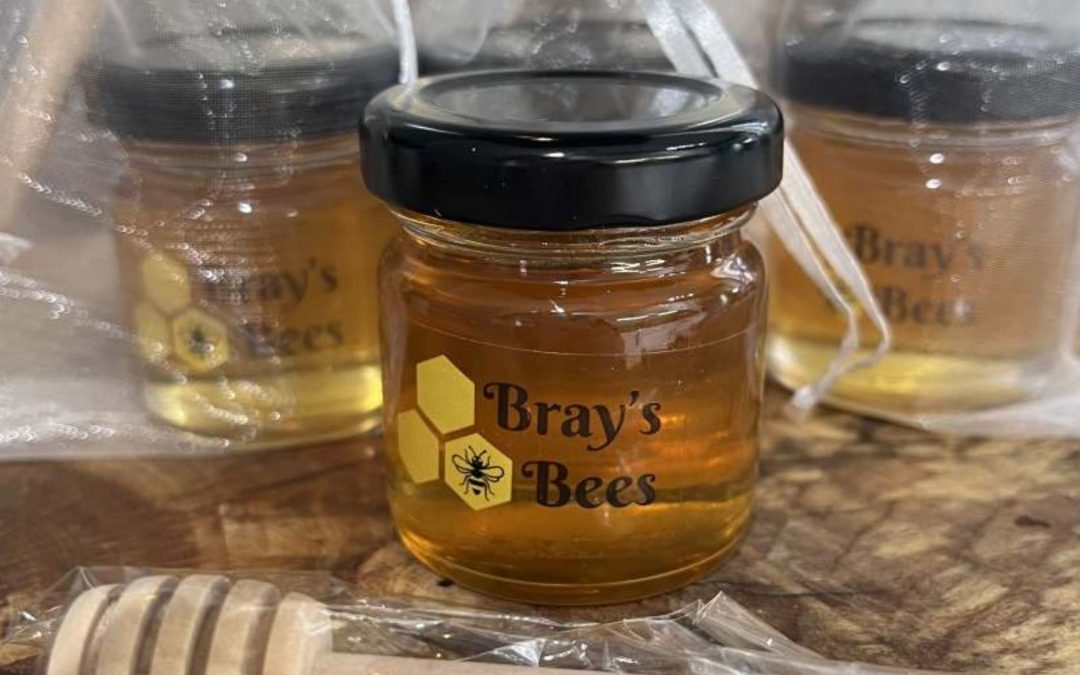
London’s skyline hides more than offices and apartments. It also hides thriving bee colonies. Urban beekeeping has surged across rooftops, gardens, and balconies, producing honey that intrigues locals and food enthusiasts alike.
Unlike conventional rural honey, local honey in London carries a flavour and chemical profile shaped by the city itself. Urban bees gather nectar from parks, street trees, and community gardens, creating a complex blend that cannot be replicated elsewhere.
Yet, the uniqueness of rooftop honey goes beyond taste. Scientific factors, ranging from microclimates to bee behaviour, combine to produce honey with distinct viscosity, sugar composition, and enzymatic activity. Understanding these elements highlights why urban honey deserves attention from both gourmets and health-conscious consumers.
The Urban Floral Mix: Nectar Diversity in the City
London rooftops offer bees an unusual mix of flowering sources. The city’s green pockets, flower boxes, and street blooms create a highly varied nectar environment. This diversity directly affects:
- Sugar composition and natural sweetness
- Subtle flavour notes, often fruity or herbaceous
- Colour variations from light amber to rich gold
Bees adapt to rapid seasonal changes in urban flora, producing honey that reflects the city’s dynamic plant life. Local honey in London is therefore richer in character compared to honey from a single rural source.
Microclimates Shape Honey Chemistry
Roof hives experience distinct microclimates that alter honey properties. Urban heat islands make rooftops warmer, accelerating the evaporation of nectar. This impacts moisture content, viscosity, and antioxidant levels. In addition:
- Sun exposure influences floral scent compounds in honey.
- Wind patterns can alter bees’ foraging behaviour.
- Temperature variations affect enzyme activity and shelf stability.
These factors combine to produce honey with unique physical and chemical traits, differentiating it from countryside varieties.
Purity in the Urban Environment
A common misconception is that city honey is contaminated by pollution. Research shows bees naturally filter out many airborne pollutants. Roof hive honey often matches rural honey in purity, thanks to:
- Wax structures that trap debris
- An enzyme activity that neutralises minor impurities
- Short foraging ranges reduce exposure to contaminated plants
Such practices ensure local honey in London remains clean, nutritious, and safe to consume.
Bee Behaviour and Honey Quality
Urban bees adjust their foraging strategies to navigate buildings and short flower distances. These behavioural differences influence honey quality:
- Rapid nectar collection increases enzyme concentration.
- Frequent storage cycles enhance flavour and texture.
- Adaptation to urban weather conditions ensures consistent honey production.
Together, these behaviours create honey that reflects both the city environment and the meticulous care of beekeepers. Roof-hive honey combines science, ecology, and natural bee intelligence.
Rooftop honey from London is unique due to floral diversity, microclimate influence, natural purity, and bee behaviour. These factors produce a rich, complex, and high-quality product that you cannot replicate elsewhere. For anyone seeking authentic and responsibly harvested local honey in London, relying on expert beekeepers makes all the difference. For the freshest urban honey and professional guidance, trust Bray’s Bees to provide well-managed hives and high-quality harvests, connecting science, sustainability, and exceptional taste in every jar.